Weaponized Incompetence: When “I Can’t” Is Really “I Won’t”
You’ve probably heard yourself say it — “It’s just easier if I do it myself.”
At first, it sounds practical. Efficient. Even kind.
But over time, that sentence often becomes the quiet doorway into burnout, resentment, and emotional disconnection.
This is where weaponized incompetence lives.
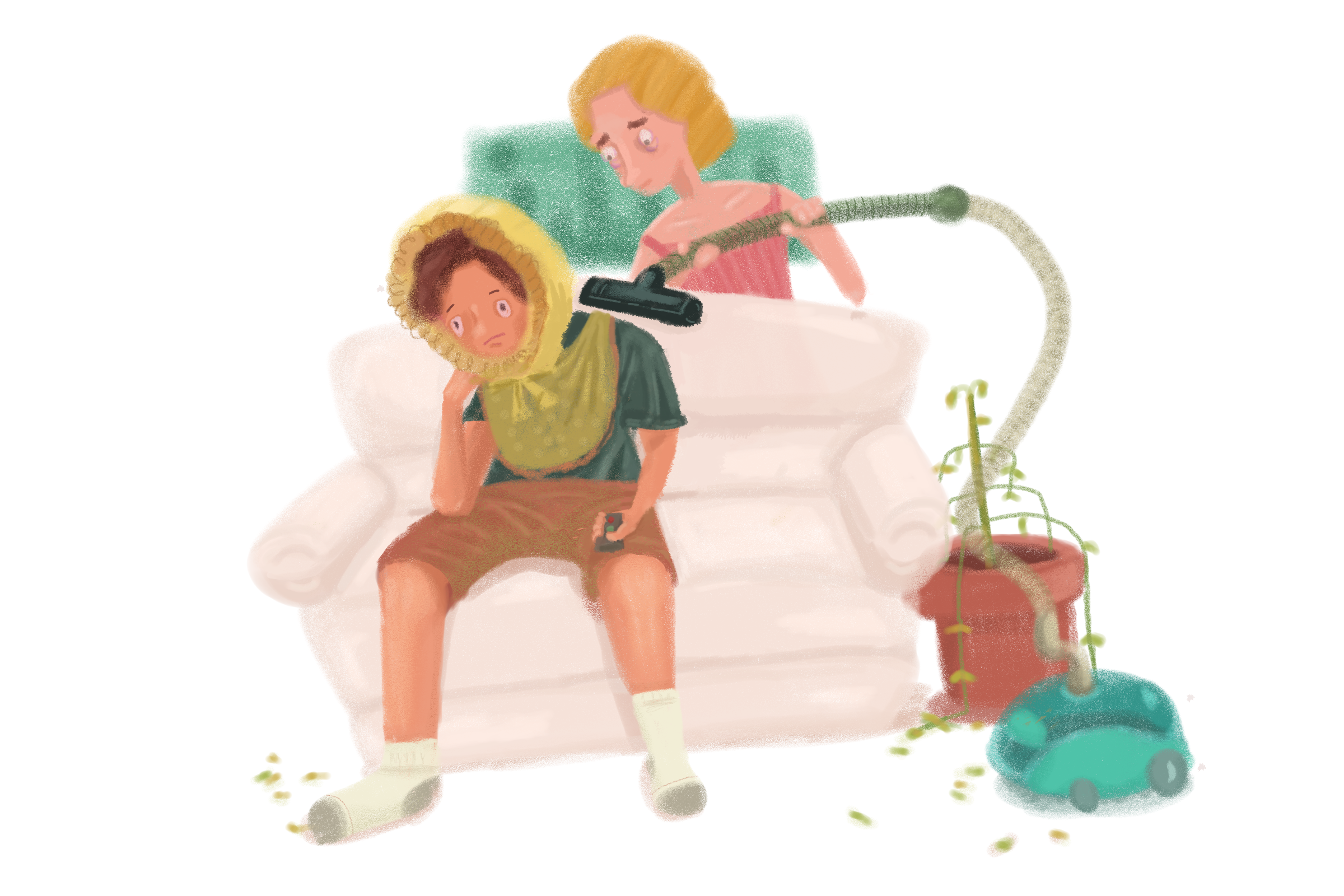
Adult child and parent
What Is Weaponized Incompetence?
Weaponized incompetence occurs when a person acts incapable, forgetful, overwhelmed, or “bad” at tasks so that someone else will step in and take over. The result? One partner becomes the default manager of life, while the other avoids responsibility — without openly refusing it.
The key distinction is pattern and selectivity.
This isn’t about genuinely not knowing how to do something. It’s about not learning, because someone else always picks up the slack.
What It Looks Like in Real Life
Weaponized incompetence often sounds subtle:
“You’re just better at this than I am.”
“I don’t know how — can you just do it?”
“I forgot… again.”
Doing a task so poorly that it has to be redone
Needing step-by-step guidance every single time
Over time, the more capable partner becomes the planner, reminder, organizer, and emotional container — while the other partner remains comfortably unburdened.
Why It’s So Damaging to Relationships
At its core, weaponized incompetence creates a power imbalance.
One person carries:
The mental load
The emotional labor
The responsibility for outcomes
The other retains:
Freedom
Flexibility
Plausible deniability
What often develops is a parent–child dynamic in an adult relationship — which is one of the fastest ways to erode attraction, trust, and mutual respect.
Resentment doesn’t come from doing too much.
It comes from doing too much alone.
When Incompetence Becomes a Weapon
Weaponized incompetence isn’t always conscious or malicious — but it is functional.
It can serve to:
Avoid criticism or failure
Escape accountability
Maintain entitlement
Shift responsibility without confrontation
Keep emotional power with the less responsible partner
The moment someone benefits from not improving, the pattern becomes reinforcing.
Not All Struggle Is Weaponized
It’s important to say this clearly: not every difficulty is manipulation.
Healthy struggle looks like:
Willingness to learn
Taking feedback without defensiveness
Improving over time
Sharing responsibility, even imperfectly
Weaponized incompetence looks like:
No growth
No follow-through
Relief when someone else takes over
Repeated patterns despite clear conversations
The difference is effort and accountability.
The Emotional Cost for the “Capable” Partner
People on the receiving end often experience:
Chronic exhaustion
Emotional loneliness
Feeling unseen or unappreciated
Loss of desire
Guilt for being angry
Self-doubt (“Maybe I expect too much”)
Many don’t realize they’re not just tired — they’re over-functioning in an under-functioning system.
How to Respond Without Rescuing
Breaking this cycle requires boundaries, not lectures.
Helpful shifts include:
Naming the pattern calmly and directly
Stopping the habit of fixing or redoing
Allowing natural consequences
Setting clear expectations and timelines
Letting discomfort exist without rescuing
This can feel scary — especially if peace has always depended on you picking up the slack. But peace built on self-abandonment is not peace.
A Final Thought
Weaponized incompetence isn’t about dishes, calendars, or chores.
It’s about who carries responsibility — and who gets to opt out.
Healthy relationships don’t require perfection.
They require shared effort, mutual respect, and emotional adulthood.
If you find yourself constantly thinking “If I don’t do it, no one will,” it may be time to ask a deeper question:
Who benefits from me always stepping in — and what is it costing me?