

Mooresville · Lake Norman · The Carolinas
Where Clinical Meets Compassion
Specialist counseling for children, teens, individuals, couples, and families — in person or by secure telehealth.
If something in your life keeps repeating — a relationship pattern, anxiety that returns, the weight of a loss — you don't have to make sense of it alone.
Our licensed clinicians don't just manage symptoms; we work with the deeper patterns underneath them, drawing on approaches like schema therapy, attachment, and trauma-informed care. Whatever you're carrying, you'll be matched with a therapist who specializes in it. The goal isn't to feel a little better this week — it's lasting change.
How We Help

Individual Therapy
Personalized, one-on-one support in a confidential, safe environment.

Couples Therapy
Strengthen communication, resolve conflict, and rebuild connection.
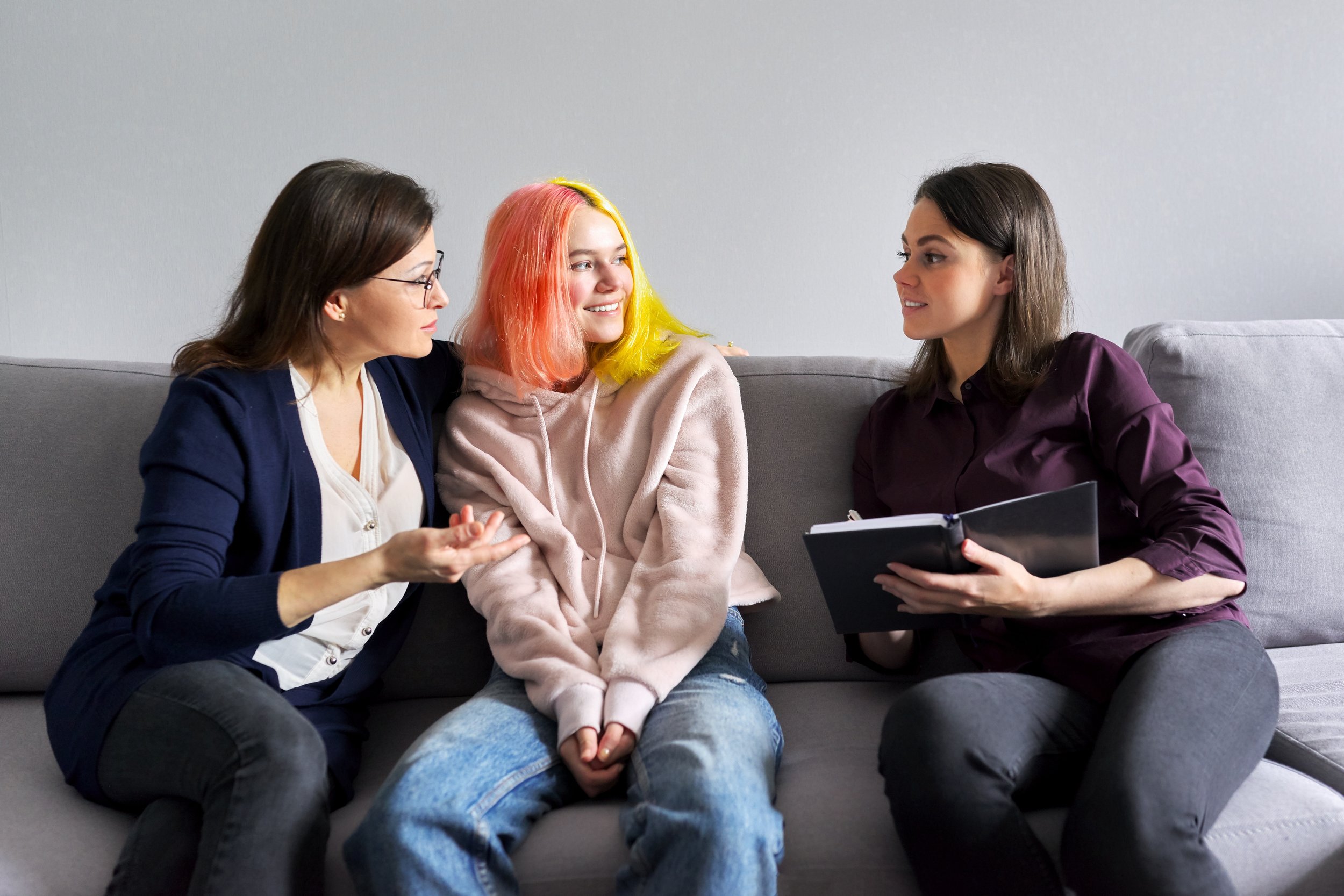
Adolescent Therapy
Age-appropriate support for teens navigating big feelings, school, identity, and change.
Our Specialties
Stafford and Associates Counseling has deep expertise treating a wide range of emotional, behavioral, and relational challenges. Our specialties include anxiety, depression, ADHD and Neurodivergence, trauma, and relationship issues, as well as support for life transitions, family conflict, and more. Each specialty area reflects our commitment to providing compassionate, evidence-based care tailored to your unique needs.
-

ADHD and Neurodivergence
Strengthen focus, boost confidence, and develop strategies to thrive with ADHD and neurodivergence.
-

Anxiety
Overcome anxiety’s hold and create a more balanced, confident life.
-

Relationship Issues
Build healthier, more fulfilling relationships through guided therapy.
-

Depression
Lighten depression’s weight and move toward hope and renewal.
-

Trauma
Find strength, safety, and healing from past trauma in a safe, supportive space.
-

Personality Disorders
Deepen self-understanding and develop healthier ways to connect with others.

Whatever you're going through, we can help
Clinical Expertise
Licensed therapists with advanced training in ADHD, trauma, and family systems.
Compassionate Care
You'll feel heard, understood, and supported every step of the way.
A Specialist Approach
Evidence-based care that works the patterns underneath — not just the symptoms.
Ready to get started?
Healing starts with a single step. Whether you're seeking support for yourself, your relationship, or your family, we're here to walk alongside you — toward greater balance, connection, and well-being.
Book a Free Consultation