

Choosing Love That Doesn’t Cost You Your Self
Healthy love shouldn’t require self-erasure. Learn how boundaries, mutuality, and emotional balance support secure relationships.

Repair Is the Most Romantic Skill
Conflict doesn’t end relationships—lack of repair does. Learn how emotional repair builds trust, safety, and deeper connection.

Loving Yourself Without Turning It Into Self-Blame
If loving yourself feels hard, heavy, or critical, you’re not doing it wrong. This post explores how to practice self-compassion in ways that feel safe, supportive, and sustainable.

When Calm Feels Boring: Understanding Secure Love
If calm feels unfamiliar or even uncomfortable in your relationships, that doesn’t mean something is wrong with you—it means your nervous system may still be learning what safety feels like. You deserve support while you make sense of these patterns at your own pace. Therapy can help you understand your attachment style, untangle intensity from connection, and build relationships that feel steady, secure, and emotionally nourishing over time. At Stafford & Associates Counseling Group, our therapists specialize in helping individuals and couples explore attachment patterns, emotional safety, and relationship dynamics—without judgment or pressure to “force” change.

Love Isn’t a Feeling It’s a Practice
Love isn’t sustained by chemistry alone. It’s built through small, consistent actions that create safety, trust, and connection over time. This post explores why real love shows up in practice—not just passion.

What are Metacognitions and Why are They Important?
Discover how metacognition—the ability to think about your thinking—can improve emotional regulation and decision-making. Learn practical tips from Stafford Counseling Group in NC.

Why Specialized Local Therapy Beats the "Big Tech" Platforms
Don’t settle for a generic algorithm. While big-tech apps prioritize volume and venture capital profits, Stafford Counseling Group offers specialized, clinician-owned care rooted in the Lake Norman community. Discover why local, high-intensity trauma expertise beats the 'big box' therapy model every time.
The Difference Between a Healthy Ego and a Defensive One
How we respond to conflict says a lot about the health of our ego. Learn the key differences between a flexible, healthy ego and a rigid, defensive one, and how to cultivate emotional maturity in your relationships.

Saying No — and Being Shamed for It: How the Toxic Inner Critic Gets Installed-(inspired by the work of Pete Walker)
Why Saying No Feels So Hard After Trauma
For survivors of childhood trauma, emotional neglect, or chronic criticism, saying no is rarely just about the present moment. It activates deeply ingrained survival responses shaped in early relationships.
When caregivers responded to mistakes, needs, or autonomy with shame, punishment, or withdrawal, the nervous system learned a dangerous equation:
Self-protection = rejection.
As trauma expert Pete Walker explains, children in these environments internalize external criticism and develop a toxic inner critic—a harsh internal voice that polices thoughts, feelings, and boundaries long after the original threat is gone.
This is why boundary-setting often triggers:
Intense guilt or shame
Fear of being “too much” or “selfish”
Immediate self-attack after asserting a need
Urges to backtrack, apologize, or over-explain
These reactions are not signs of weakness. They are trauma responses.
From a trauma-informed perspective, people pleasing and boundary collapse are not personality traits — they are learned survival strategies designed to preserve attachment and reduce harm.
Healing involves helping the nervous system learn that saying no no longer leads to danger.
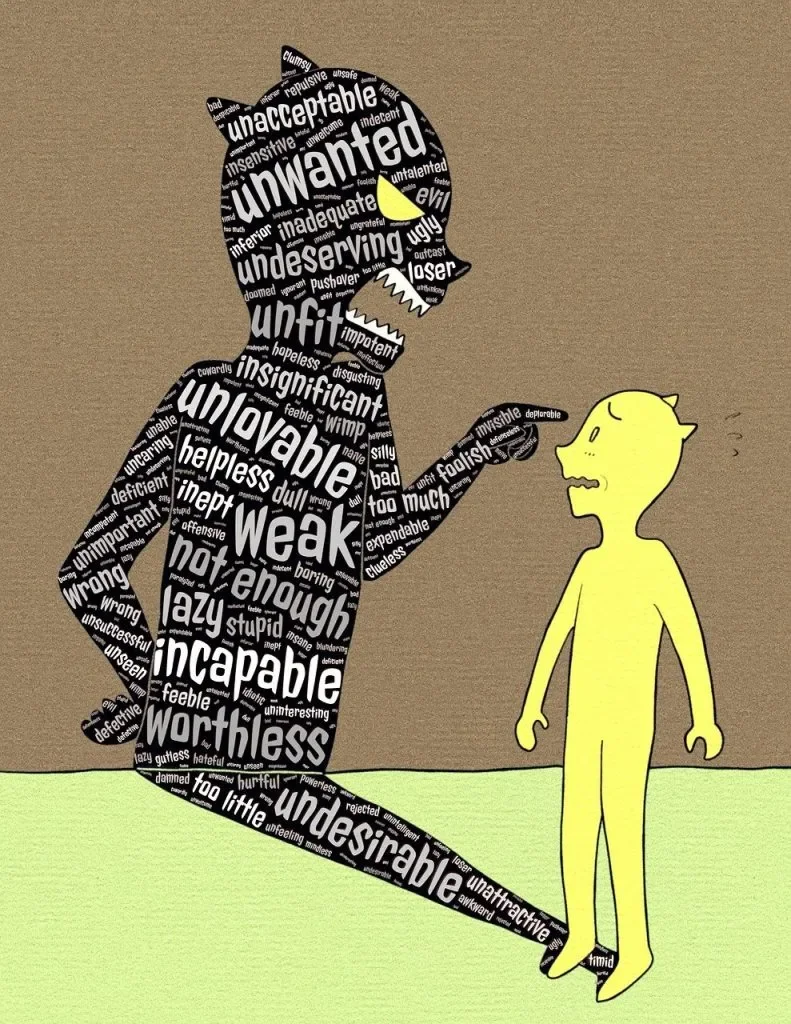
The Inner World of Shame: Understanding Michael Stadter’s Six Shame Dynamics
If you’re constantly hard on yourself, feel emotionally disconnected, or struggle with patterns in relationships that leave you feeling unworthy or unseen, shame may be at the center of it. Shame isn’t a personal failure—it’s a learned response shaped by early relational experiences. When we understand how shame operates internally, we can begin to loosen its grip and create space for self-trust, connection, and change.

What Is Reverence in Therapy? Emotional Healing in Mooresville, Lake Norman & Charlotte
Reverence is a way of living with deep respect, presence, and care. Learn what reverence means, how it shows up in daily life, and why it matters for mental health and relationships.

Anxiety: Why You Feel It and How to Find Relief
Got anxiety? We all do at some point in our lives! You are not alone!



How to Recognize Narcissistic Abuse
With everyone throwing around the term narcissism, see that this really means

The Quiet Kind of Cruel: Recognizing the Subtle Signs of Emotional Terrorizing
Emotional abuse isn't always loud. Learn how subtle emotional terrorizing harms self-worth, and how to recognize and heal from its quiet control tactics.

Your Therapy Journey with Telehealth
Starting therapy can feel both empowering and a little overwhelming. You may find yourself wondering how to choose the right therapist, or where to begin your journey. The good news? Telehealth makes getting started easier, more accessible, and far less stressful.